
 by
by Understanding the Basics of Washer Technology
The modern laundry room is a hub of innovation. Choosing a new washing machine is a significant investment for any homeowner. It is a decision that affects your daily routine for years to come. When you walk into an appliance store, you face a dizzying array of options. There are front loaders and top loaders. There are smart features and steam cycles. However, one fundamental choice stands out in the top-load category. This is the decision between an agitator vs impeller washer. Understanding this difference is crucial for your laundry success. Essentially, these two terms describe the mechanism that moves your clothes inside the drum. They represent two very different philosophies on how to clean fabric. One relies on physical friction and aggressive motion. The other depends on gentle currents and soaking action.
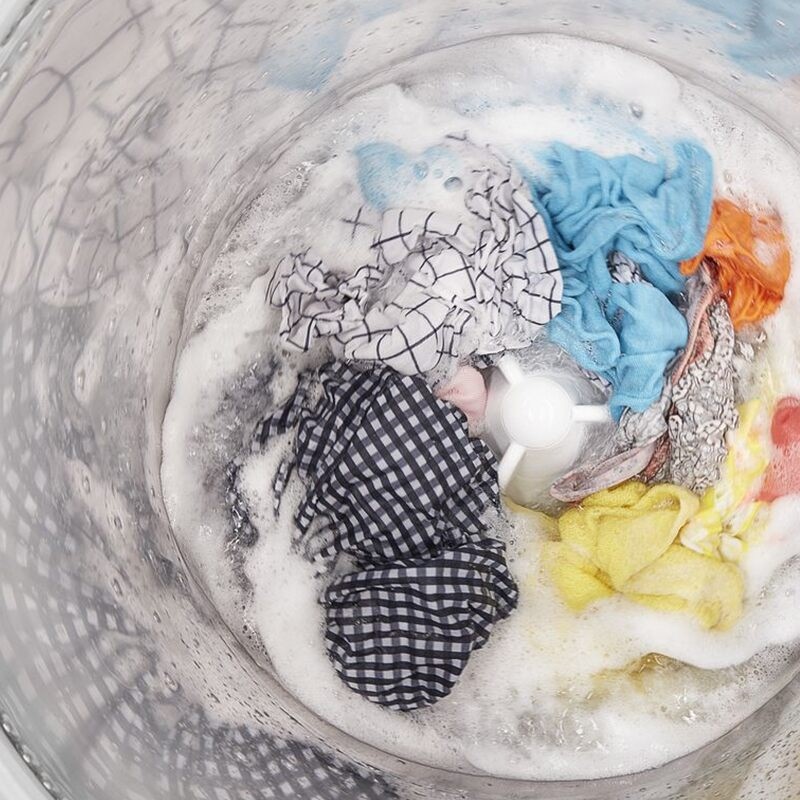
For decades, the agitator was the gold standard. It was the tall, finned pole in the center of the tub. Everyone recognized it. It was synonymous with clean clothes. However, technology evolved. Manufacturers sought to improve efficiency. They wanted to reduce water usage and fabric wear. Consequently, the impeller washer emerged as a strong competitor. This design replaces the tall pole with a low-profile cone or disc. It offers a different cleaning dynamic. Many consumers find this choice confusing. You might wonder which style cleans better. You might worry about which is gentler on your wardrobe. Furthermore, the terminology can seem technical.
How an Agitator Washer Works
The agitator is a classic design. It is easily recognized by the tall spindle in the center of the wash basket. This spindle usually has fins or vanes along its length. During a wash cycle, this central post moves. It rotates back and forth rapidly. The motion is vigorous and twisting. Consequently, this action forces the clothes to rub against each other. The fins physically grab the garments. They pull them down into the water. The clothes then rise again due to buoyancy. This creates a constant turnover. Think of it as a hand-washing motion. It mimics the action of scrubbing clothes on a washboard. The primary cleaning force here is mechanical friction. The clothes rub against the agitator and against each other. This physical contact dislodges dirt and stains effectively.
Because of this aggressive motion, agitators are famous for their cleaning power. They are highly effective at removing tough, ground-in stains. If you have children who play sports, an agitator vs impeller washer might be appealing. It handles heavy soil levels with ease. Mud, grass, and food stains are no match for the vigorous scrubbing. Furthermore, the cycles are often shorter. Since the machine uses a specific water level, it fills and drains quickly. There is no extended sensing time. You simply set the load size and the cycle begins. This straightforward approach appeals to many users. It feels familiar and reliable. Moreover, the deep water wash option is a staple on these machines. You can see the water level.
How an Impeller Washer Works
In contrast to the tall post, an impeller washer looks quite different. Open the lid, and you will see a smooth, low-profile cone or disc at the bottom. It might even look like the drum is empty. This is the impeller. It creates a completely different washing dynamic. Instead of a central post, the wash plate spins and rotates. It generates currents within the water. These currents move the clothes. The motion is gentler and more fluid. The clothes tumble and slide against each other. They do not get pulled and twisted by a spindle. Therefore, the cleaning action relies less on physical friction. Instead, it relies on the chemistry of the detergent and the movement of the water.
The impeller system is designed for high-efficiency. Consequently, it uses significantly less water than traditional agitator vs impeller washer models. The drum spins at higher speeds during the cycle. This motion tumbles the clothes through the water. Because there is no central obstruction, the usable space is larger. You can fit bulkier items more easily. Large comforters and blankets have more room to move. Furthermore, the tumbling action is much gentler on fabrics. It reduces the stress on fibers. Your clothes experience less stretching and tangling. This is excellent for preserving the lifespan of your wardrobe. Delicates and synthetic fabrics fare better in this environment.

Comparing Cleaning Performance and Fabric Care
When deciding between an agitator vs impeller washer, cleaning performance is usually the top priority. Both systems clean clothes, but they excel in different areas. The agitator is the heavy lifter. It is the champion of deep cleaning. If your laundry consists of sturdy fabrics, the agitator vs impeller washer is tough on dirt. Work clothes, muddy sports uniforms, and heavy cotton towels are perfect candidates. The vigorous scrubbing motion ensures that dirt is physically dislodged. However, this strength comes with a trade-off. The aggressive motion can be hard on clothes. It causes more fabric wear over time. You might notice pilling on sweaters or stretching on t-shirts. Buttons and zippers take a beating as they rub against the agitator and other clothes.
On the other hand, the impeller is the specialist in fabric care. Its primary advantage is gentleness. The tumbling motion is kind to fibers. It minimizes the risk of stretching and tearing. Consequently, your clothes look newer for longer. This is a significant benefit if you invest in quality clothing. However, some users question its cleaning power on heavily soiled items. Because there is less mechanical scrubbing, you rely heavily on the detergent and pre-treating stains. For very heavy soils, you might need to use a specific “Power Wash” or “Deep Fill” cycle. But for the average household load, the impeller performs admirably. It handles everyday dirt and sweat effectively.
Water Usage and Energy Efficiency
Efficiency is a major consideration for the modern homeowner. We are all conscious of our environmental footprint and utility bills. Here, the impeller washer clearly leads the pack. It is designed with high-efficiency (HE) standards in mind. The mechanism uses specific low water levels. It cleans by tumbling clothes through a pool of concentrated detergent water. The sensors detect the load size precisely. Therefore, no water is wasted. Over the course of a year, the water savings are significant. You will notice a difference in your water bill. Additionally, because it extracts more water during the spin cycle, your clothes are drier going into the dryer. This reduces the energy consumption of your dryer. It is a win-win for your wallet and the planet.
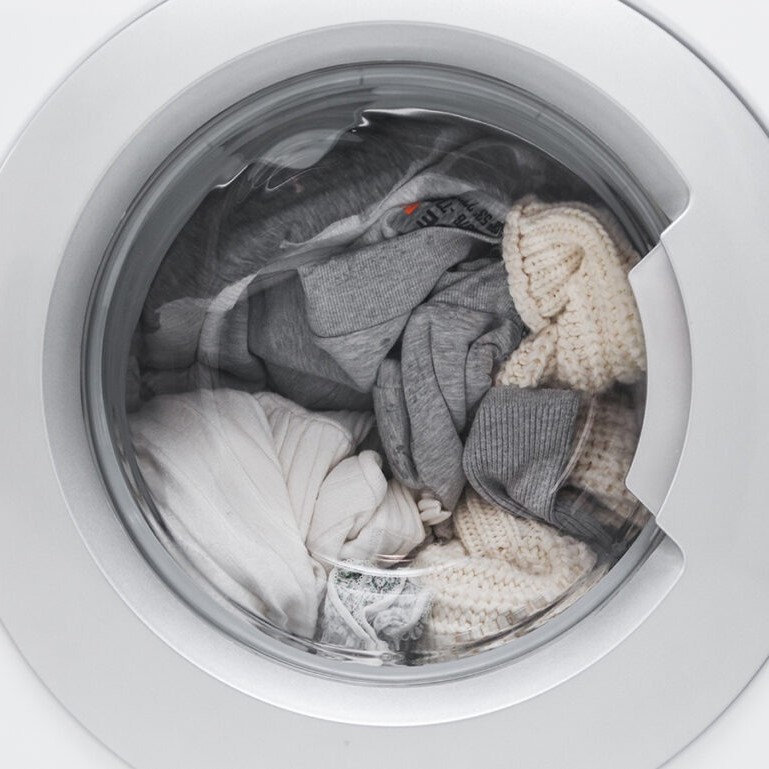
Conversely, the traditional agitator washer is often less efficient. It typically uses a deep fill method. It fills the tub to a preset level, regardless of the load size. This uses a substantial volume of water. While many modern agitators now have “HE” ratings and sensing options, they still generally use more water than impeller models. The mechanics require more water to suspend the clothes for the scrubbing action. Consequently, this leads to higher water consumption. Furthermore, the spin speeds are usually lower. This leaves more moisture in the clothes. Your dryer has to work harder and longer. However, some users prefer the deep water fill. They feel it provides a more thorough rinse.
Capacity, Maintenance, and Reliability
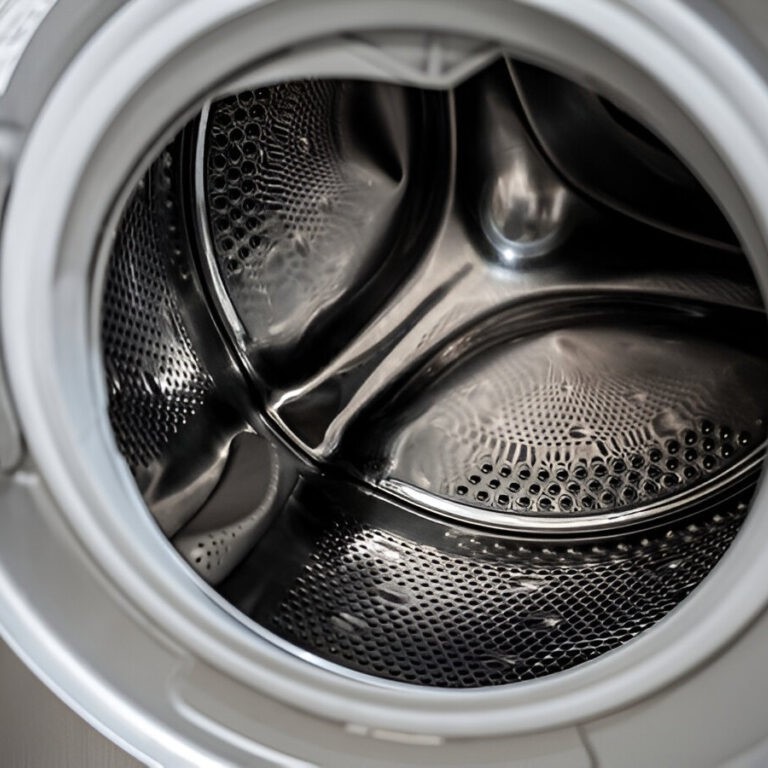
The interior space of the washer is another practical factor. At first glance, top-load washers look similar. But the internal volume differs. The agitator’s central post consumes space. It is a physical object that occupies the center of the drum. This reduces the usable capacity. You cannot wrap a large blanket around it easily. It creates a limitation for bulky items. In contrast, the impeller offers a wide-open wash basket. There is no central obstruction. This design maximizes the usable volume. You can easily wash king-sized comforters or sleeping bags. The clothes have more freedom to move. This lack of a central post also makes it easier to load and unload laundry. You do not have to work around a finned pole.
When it comes to maintenance, both types have their considerations. Agitator washers are often simpler in design. They have been around for a long time. Many repairs can be done by a handy homeowner. They are known for durability. The mechanical parts are robust. However, the impeller washer has fewer moving parts in the wash system. The low-profile disc is simple. Yet, the electronic controls are often more complex. They rely on sensors and motherboards. This can lead to higher repair costs if technology fails. A common issue with impeller washers is odor. Because they use less water, residue can build up. Mold and mildew can form in the gasket or hidden areas.
Troubleshooting Common Issues
No machine is perfect. Each type has its own set of common problems. Understanding these issues helps you maintain your appliance better. For agitator vs impeller washer, a frequent complaint is unbalanced loads. Because the agitator twists clothes, they can wrap around the post. This creates a heavy knot. When the machine enters the spin cycle, the drum wobbles violently. It makes loud banging noises. You often have to stop the cycle and untangle the clothes. This can be frustrating. Additionally, the aggressive motion can sometimes cause the “graying” of whites. If the water is not sufficient, dirt can redeposit on the clothes.
For impeller washers, the “off balance” issue can also occur. However, it is usually due to the load size being too small. A single heavy item cannot distribute weight evenly. The machine may refuse to spin. It will try to redistribute the clothes by tumbling them. This adds time to the cycle. Another issue with impellers is the error codes. Because they are computerized, a slight sensor glitch can stop the machine. You might see error codes for water levels or lid locks.
Frequently Asked Questions
Do impeller washers get off balance easily?
Yes, impeller washers can get off balance, but often for a different reason than agitators. Because there is no central post to tangle clothes, unbalanced loads are usually caused by the distribution of weight. If you wash a single heavy item, like a large rug or a soaking wet towel, it may settle on one side of the drum. The machine’s sensors detect this. They will attempt to redistribute the load by tumbling it. However, if it cannot balance the load, the spin cycle will be interrupted. This is a safety feature. It protects the machine’s bearings and structure. To prevent this, try to wash similar items together. Do not wash one heavy item alone. Add a few smaller items to help balance the weight.
Why don’t washing machines have agitators anymore?
It is not that manufacturers have completely stopped making agitators. Many top brands still produce them. However, there has been a significant shift towards impellers for several reasons. The primary driver is energy efficiency standards. Governments and environmental agencies have set strict limits on water and energy usage.
What are the drawbacks of an agitator washer?
While agitator washers are excellent at cleaning, they have distinct drawbacks. The most significant is the wear on clothes. The vigorous twisting and pulling action is hard on fabrics. It can cause stretching, tearing, and pilling. Your clothes will likely wear out faster than if washed in an impeller. Another drawback is capacity. The central post takes up valuable space. This limits the size of loads you can wash. Bulky items are harder to fit. Furthermore, agitator models are generally less energy-efficient.
Conclusion: Making Your Final Choice
Choosing a washing machine is a personal decision. It depends entirely on your specific needs and preferences. The debate of agitator vs impeller washer ultimately comes down to what you value most in your laundry routine. If your priority is deep, heavy-duty cleaning, the agitator vs impeller washer is a solid choice. It is perfect for families with rugged laundry needs. However, if you value efficiency and fabric care, the impeller is the superior option.
There is no single “best” machine for everyone. You must consider your budget, your laundry volume, and your lifestyle. Do you have active children who come home with grass stains? An agitator might be your ally. Do you have a wardrobe of delicate fabrics and want to save on water bills? Look towards the impeller models. Modern technology has improved both designs significantly. Some agitators are now removable, offering a hybrid solution. Some impellers have enhanced scrubbing features. The gap is narrowing. We encourage you to visit a showroom. Watch the machines in action. Feel the drum space. Ask questions. Read the reviews. By understanding the mechanics and the pros and cons, you can make an informed decision. Your laundry will thank you. You will enjoy cleaner clothes and a more efficient home for years to come. The right choice brings peace of mind and fresh laundry to your doorstep.
